History
The huipil (from the Nahuatl huīpīlli) is one of the oldest living textile traditions in the Americas, with archaeological records and ceramic figurines showing tunics worn across Mesoamerica for more than two thousand years. In pre-Hispanic times, Maya, Zapotec, Mixtec and Aztec women wove huipils on the backstrap loom. Elaborately decorated huipils were worn for religious ceremonies, buried with nobility and presented as tribute to rulers.
Following the Spanish conquest in the sixteenth century, European fibres such as sheep’s wool and silk were introduced alongside native cotton and natural dyes like cochineal and indigo. Despite colonial pressure to adopt European dress, indigenous women continued weaving and wearing their huipils. The garment became a vital expression of cultural continuity and indigenous identity that persists to this day.
On Mexico’s Yucatán Peninsula, the Maya tunic developed into the distinctive hipil, which was adapted with Spanish-influenced floral cross-stitch embroidery while retaining its traditional boxy silhouette.
Main styles
Because each indigenous community developed its own weaving patterns, colours and techniques, thousands of distinct huipil variations exist:
- Yucatán (Hipil and Terno): on the Yucatán Peninsula, Maya women wear the hipil, a loose white cotton shift with a square neckline framed by bright cross-stitch floral embroidery (xokbichuy). For festive occasions, it is worn as part of the elegant three-piece terno.
- Isthmus of Tehuantepec (Oaxaca): the huipil of the Tehuana dress is a short, boxy blouse often made of velvet or satin and lavishly embroidered with large, vibrant flowers using satin stitch. Famous worldwide through painter Frida Kahlo, it is paired with a matching long skirt and starched lace headdress.
- Highland Chiapas (Tzotzil and Tzeltal Maya): communities such as Zinacantán, San Juan Chamula and Tenejapa weave thick cotton huipils with striking brocade geometric motifs and embroidered floral bands.
- Guerrero (Amuzgo and Mixtec): Amuzgo weavers in Xochistlahuaca produce intricate all-white or delicately coloured backstrap-woven cotton huipils decorated with delicate brocade figures of birds, animals and flowers.
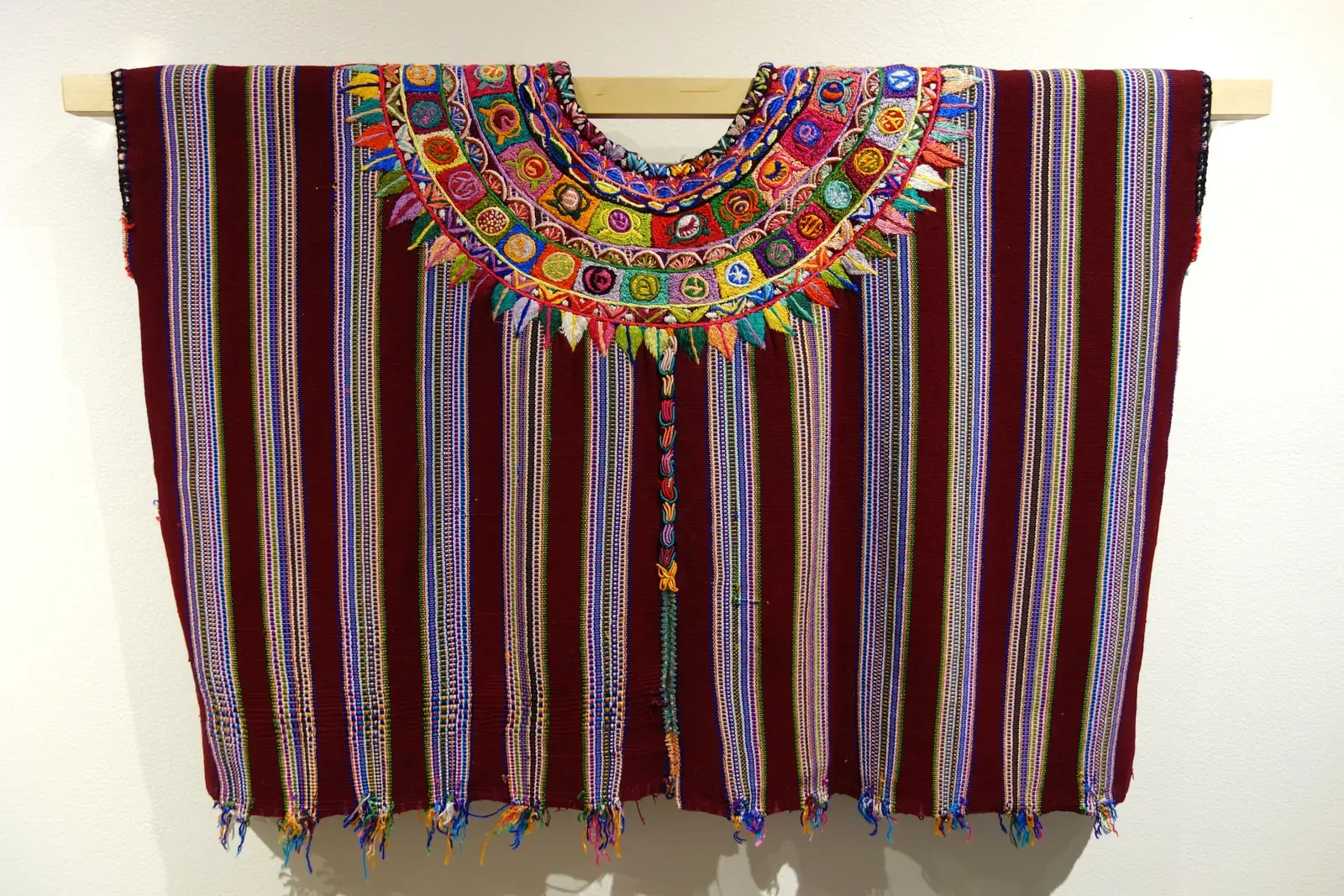
- Highland Guatemala (Kaqchikel, K’iche’, Mam): towns across the Guatemalan highlands such as Patzún, Santiago Atitlán and Nebaj are renowned for dense, colourful backstrap-woven huipils featuring geometric zigzags, diamonds and nature motifs.
How it is worn
A huipil is essentially a tunic formed by one to three rectangular panels woven on a backstrap loom, sewn together with openings left for the head and arms. It is pulled over the head and falls loosely over the torso.
Depending on regional custom:
- It can be worn loose and flowing over an ankle-length wrapped skirt (corte or enredo).
- It can be tucked into the skirt and secured at the waist with a wide, hand-woven sash (faja).
- In Yucatán, the hipil is worn as an outer dress hanging straight over an embroidered underskirt (fustán).
Everyday huipils are lighter and simply patterned, while ceremonial or wedding huipils are dense with brocade and embroidery, often requiring six months or more of skilled weaving.
Where you see it today
The huipil remains everyday attire for hundreds of thousands of indigenous women in Oaxaca, Chiapas, Guerrero and Yucatán in Mexico, as well as throughout the highlands of Guatemala.
It is also prominently worn at:
- Festivals and Patron Saint Celebrations: including the famous Guelaguetza festival in Oaxaca City every July, where regional delegaciones present traditional dances in their community’s finest huipils.
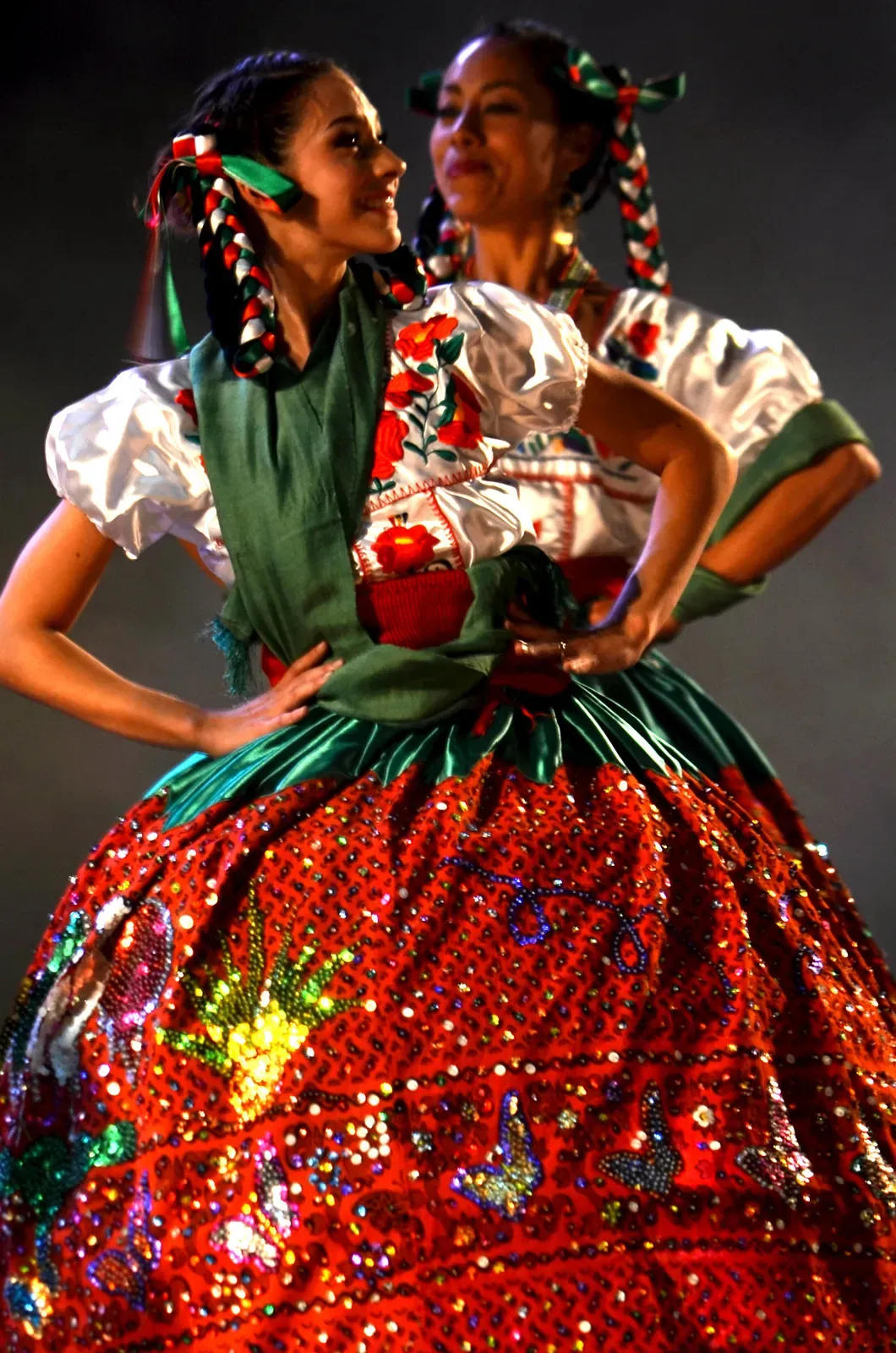
- Folkloric dance and traditional weddings: where regional versions like the Isthmus Tehuana dress and the Yucatecan terno take centre stage.
- Everyday community life and markets: in towns such as San Cristóbal de las Casas, Juchitán, and Chichicastenango.
To learn more about how the huipil and hipil fit into Mexican dress traditions alongside the sarape, rebozo and charro suit, visit traditional clothing in Mexico.